
Invisalign vs. Traditional Braces: Comprehensive Orthodontic Options for Redmond Patients
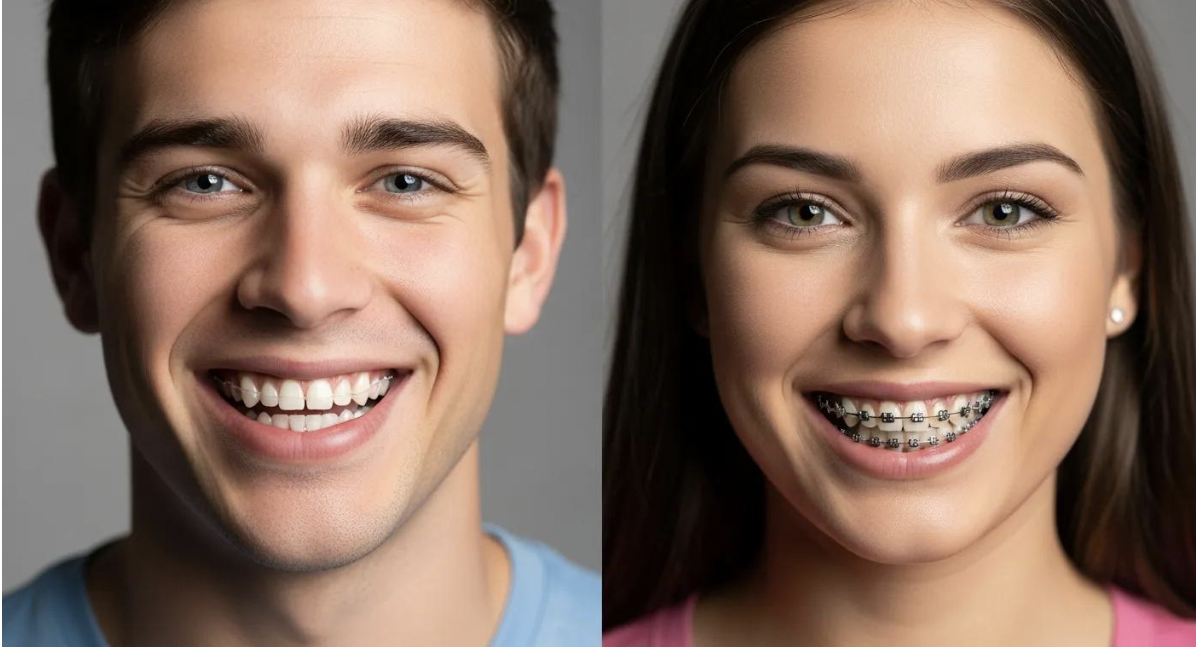
Choosing an appropriate orthodontic treatment can feel overwhelming for patients in Redmond, WA. This article compares Invisalign and traditional braces so you can evaluate their mechanisms, benefits, limitations, treatment steps, costs, and maintenance requirements. The goal is to help you make an informed decision that matches your dental needs and daily life.
Comparison of Invisalign and Traditional Braces in Redmond
It is important to recognise the core differences between Invisalign and traditional braces. Both approaches straighten teeth and support oral health, but they use distinct mechanisms and differ in comfort, appearance, and suitability for specific cases.
Overview:
Invisalign uses a sequence of clear, removable aligners that gradually reposition teeth. Aligners are custom-designed with 3D imaging to ensure a precise fit. Traditional braces employ metal brackets and wires bonded to the teeth, applying continuous force to achieve alignment. Both are effective; the appropriate choice depends on the individual clinical requirements and patient preferences.
Advantages:
Each option offers advantages. Invisalign is discreet and removable, which simplifies oral hygiene and allows normal eating. Traditional braces provide reliable control for complex movements and severe misalignments due to fixed brackets and consistent force application.
Disadvantages:
Both treatments have limitations. Invisalign may be unsuitable for cases requiring extensive correction and depends on patient adherence to 20–22 hours of wear per day. Traditional braces can cause gum and cheek irritation and typically require more frequent adjustment visits.
Further research examines the clinical effectiveness and limitations of clear aligners compared with fixed appliances.
Invisalign vs. Braces: Treatment Effectiveness & Limitations
Systematic reviews found that both clear aligners and braces can treat malocclusion effectively. Clear aligners showed benefits for segmented tooth movements and, in some cases, shorter treatment duration. However, aligners were less effective than braces for achieving ideal occlusal contacts, controlling tooth torque, and long-term retention.
A comparison of treatment effectiveness between clear aligner and fixed appliance therapies, 2019
Treatment Process:
Invisalign treatment begins with a consultation and a tailored plan. Patients receive a series of aligners, typically changed about every two weeks. Traditional braces start with bracket and wire placement, followed by adjustments every four to six weeks to guide tooth movement.
Costs:
Costs vary with case complexity and treatment length. Invisalign generally ranges from $3,000 to $7,000, while traditional braces commonly range from $2,500 to $6,000. Insurance coverage and payment plans can affect the final out-of-pocket cost.
Patient Experiences:
Patient satisfaction varies. Many Invisalign users report favorable experiences due to comfort and aesthetics. Patients with traditional braces may note discomfort and dietary adjustments but often recognise the effectiveness in achieving treatment goals.
Comparative studies further illustrate differences in clinical outcomes and patient comfort between clear aligners and fixed braces.
Clear Aligners vs. Fixed Braces: Clinical Outcomes & Patient Comfort
Evidence indicates clear aligner therapy (CAT) is effective for mild to moderate malocclusions but may deliver inferior outcomes for severe cases or specific tooth movements. Results on treatment duration are mixed; CAT can be shorter for mild to moderate cases. CAT showed higher relapse in some studies, but better periodontal outcomes and a tendency for lower risk of root resorption. Findings on pain were inconsistent, although CAT was generally associated with greater comfort and less impact on eating.
Clinical effectiveness of clear aligner treatment compared to fixed appliance treatment: an overview of systematic reviews, YA Yassir, 1997
What Are Traditional Braces and How Do They Work?
Traditional braces are an established orthodontic method that uses metal brackets and archwires to correct tooth alignment and bite discrepancies. Understanding their function clarifies why they remain a reliable option for many clinical situations.
Understanding Metal Brackets and Wires in Orthodontic Treatment
Brackets are bonded to each tooth and linked by a wire that is periodically adjusted. Controlled forces from the wire move teeth incrementally into planned positions. Bracket and wire materials are engineered for durability and predictable tooth movement.
Treatment Duration and Effectiveness of Traditional Braces
Treatment time with traditional braces typically ranges from 18 months to three years, depending on case complexity. They are effective for overcrowding, gaps, and bite correction. The fixed system allows precise control of tooth movement throughout treatment.
What Is Invisalign and What Are the Benefits of Clear Aligners?
Invisalign is a contemporary orthodontic approach using clear, removable aligners to achieve tooth alignment. It offers a discreet alternative to metal braces while delivering predictable tooth movement for appropriate cases.
How Invisalign Uses Advanced Technology for Teeth Alignment
Invisalign treatment relies on advanced 3D imaging to design a sequence of custom aligners for each patient. The aligners are made from smooth, comfortable plastic and are nearly invisible in use. The digital planning enables precise, staged tooth movements.
Patient Comfort and Lifestyle Advantages of Clear Aligners
Clear aligners are less likely to irritate soft tissues than metal brackets. Their removability supports routine oral hygiene and permits eating without appliance-related restrictions, which many patients find convenient.
Research shows that patient perceptions of the treatment process are influenced by the type of orthodontic appliance used.
Patient Perceptions: Clear Aligners vs. Traditional Braces
A systematic review found the strongest evidence that clear aligners positively affect the treatment process compared with fixed appliances. The findings suggest clear aligners may improve several treatment-process-related outcomes for orthodontic patients.
Does clear aligner treatment result in different patient perceptions of treatment process and outcomes compared to conventional/traditional fixed appliance treatment .
How Do Invisalign and Traditional Braces Compare in Cost and Insurance Coverage?
Assessing the financial aspects of orthodontic care is an important part of treatment planning. Costs and insurance coverage differ between Invisalign and traditional braces and should be reviewed before treatment begins.
Typical Cost Ranges for Invisalign and Traditional Braces in Redmond
In Redmond, Invisalign typically costs between $3,000 and $7,000, while traditional braces generally range from $2,500 to $6,000. Final pricing depends on case complexity, treatment duration, and provider fees.
Insurance Considerations and Payment Options for Orthodontic Treatments
Many dental insurance plans include some orthodontic benefits, though coverage varies. Confirm your benefits with your insurer to understand potential out-of-pocket costs. Many practices, including Fine Dental Arts , provide flexible payment plans to help manage treatment expenses.
Who Is Best Suited for Invisalign or Traditional Braces?
Selecting the optimal treatment depends on factors such as age, clinical needs, and patient lifestyle. An orthodontic evaluation will determine which option offers the best prognosis for your case.
Age and Orthodontic Needs: Adults, Teens, and Children
Invisalign is commonly chosen by adults and teens who seek a discreet option. It may not be appropriate for young children who cannot reliably follow wear instructions. Traditional braces are suitable for patients across age groups and can address a wider range of complex malocclusions.
Lifestyle and Treatment Compliance Factors Influencing Choice
Lifestyle and adherence are key considerations. Patients prioritising aesthetics and comfort may prefer Invisalign, provided they can wear aligners for 20–22 hours per day. Those with more complex dental issues may achieve better results with traditional braces.
How to Maintain and Care for Invisalign and Traditional Braces?
Proper maintenance supports successful outcomes for both Invisalign and traditional braces. Following recommended cleaning and hygiene practices reduces complications and preserves treatment progress.
Daily Cleaning and Maintenance Tips for Clear Aligners
Clean aligners daily with a soft toothbrush and mild soap. Avoid hot water to prevent warping. Rinse aligners after meals to reduce staining and odour. Maintain regular dental and orthodontic appointments to monitor progress.
Oral Hygiene Practices with Metal Braces
Oral hygiene with braces requires additional care. Brush after meals and use a floss threader or orthodontic floss to clean around brackets and wires. Regular orthodontic visits for adjustments and professional cleanings are essential.
How to Schedule an Orthodontic Consultation at Fine Dental Arts in Redmond?
Scheduling an orthodontic consultation is the first step toward achieving a straighter, healthier smile. Fine Dental Arts offers comprehensive orthodontic services to help you evaluate options.
What to Expect During Your First Orthodontic Visit
At the initial consultation you will receive a thorough dental examination, including X-rays and photographs. The orthodontist will review treatment options, discuss potential benefits and limitations of Invisalign and braces, and provide estimates for duration and cost.
Booking Options: Online Consultations and In-Office Appointments
Fine Dental Arts offers flexible booking, including online consultations and in-office appointments. Patients may select the option that best fits their schedule and comfort level.
Frequently Asked Questions
1. Can I switch from traditional braces to Invisalign during treatment?
Transitioning from braces to Invisalign is possible but requires careful assessment. The orthodontist will review the current progress and clinical needs to determine if a change or a combined approach will achieve the desired outcome.
2. How often do I need to visit the orthodontist during Invisalign treatment?
Patients in Invisalign treatment typically attend appointments every six to eight weeks. These visits allow the orthodontist to review progress, issue new aligners, and adjust the treatment plan as needed.
3. Are there any dietary restrictions with Invisalign?
Invisalign imposes no dietary restrictions because aligners are removable. Patients should remove aligners to eat and drink, and brush before reinserting them to maintain oral hygiene.
4. How does the comfort level of Invisalign compare to traditional braces?
Invisalign is generally more comfortable for many patients. The smooth plastic reduces soft-tissue irritation, and aligners gradually shift teeth, which often causes less discomfort than periodic wire tightening.
5. What happens if I lose an Invisalign aligner?
If an aligner is lost, contact your orthodontist promptly. They may advise wearing the previous aligner until a replacement is made or, if appropriate, progressing to the next set. Prompt communication helps preserve the treatment timeline.
6. Can Invisalign correct severe orthodontic issues?
Invisalign effectively treats many conditions but may be limited for severe cases such as major bite misalignments or extreme crowding. An orthodontist will evaluate your case and recommend the most suitable treatment.
7. How long does the Invisalign treatment process typically take?
Invisalign treatment duration commonly falls between 12 and 18 months, depending on case complexity and patient compliance with recommended wear time. Regular check-ups ensure the plan remains on track.
Conclusion
Choosing between Invisalign and traditional braces affects your orthodontic course. Invisalign offers a discreet, comfortable option for appropriate cases, while traditional braces provide strong control for complex corrections. Understanding these differences will help you select the approach that best aligns with your clinical needs and lifestyle. Schedule a consultation with Fine Dental Arts to discuss which solution is right for you.